Page top

Biome Guide

Everything is Crab Biomes

Everything is Crab has four biome families: Grass, Sand, Snow, and Water. If you only care about the player view, that really means four different kinds of pressure: rain and wetness, heat and mirages, blizzard and freezing, or movement trouble around sea space.

This page keeps the question simple. For each biome, we only answer three things: what it is, what it does to the player, and which creatures best represent it.

The 4 Biomes

The fast version: one baseline biome, two climate-pressure biomes, and one traversal biome.

Grass

Rain

Baseline biome

Greener land, heavier tree cover, and the easiest starting reference point for reading the map.

Sand

Heatwave

Heat biome

Desert-style terrain where heat pressure and mirage tricks make the environment actively hostile.

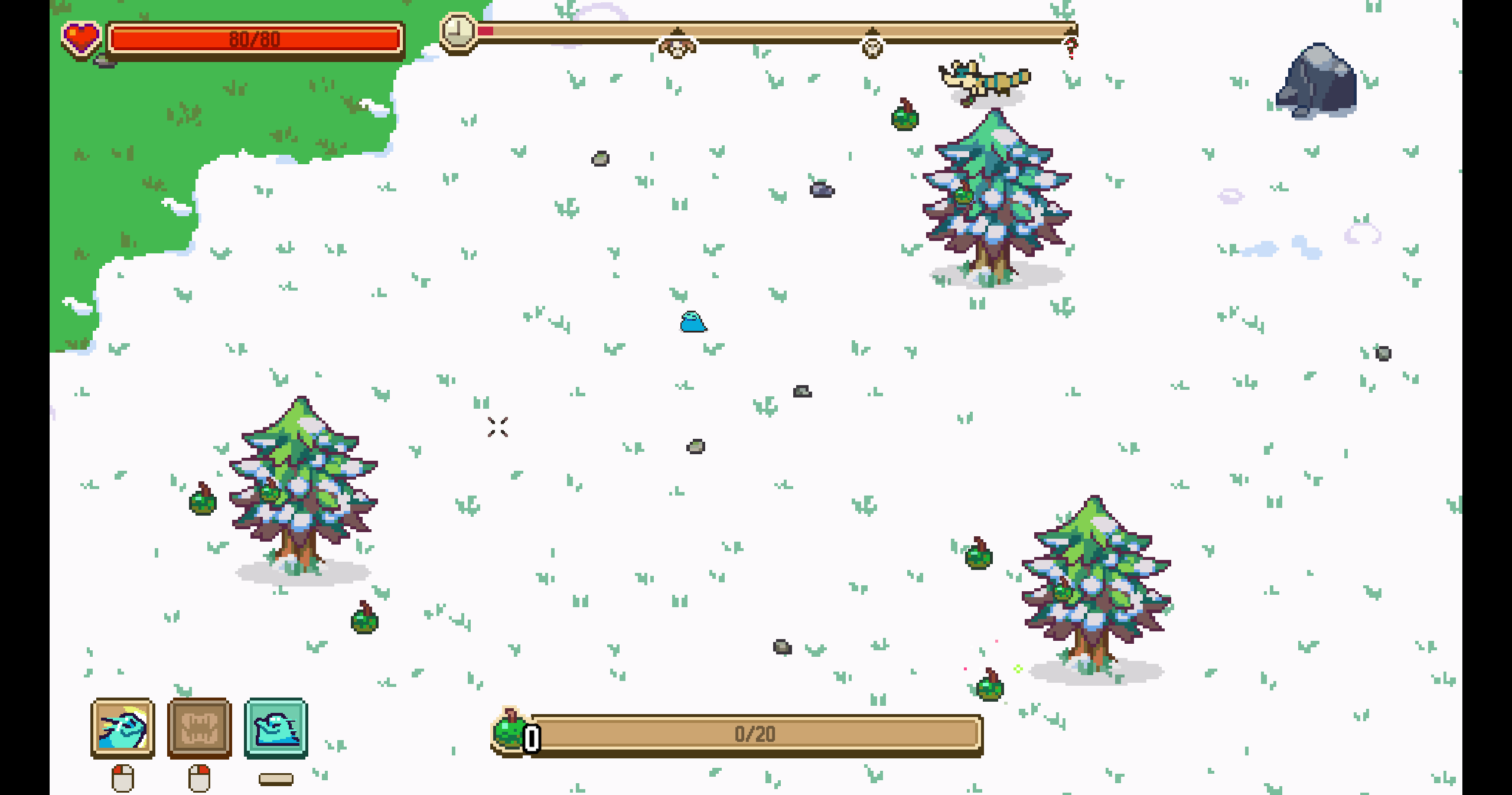
Snow

Blizzard

Cold biome

A storm-heavy region built around freezing pressure, heavier visibility loss, and slower-feeling movement.

Water

Sea space

Traversal biome

The biome that changes movement the most, especially when a fight forces you to dodge in or around water.
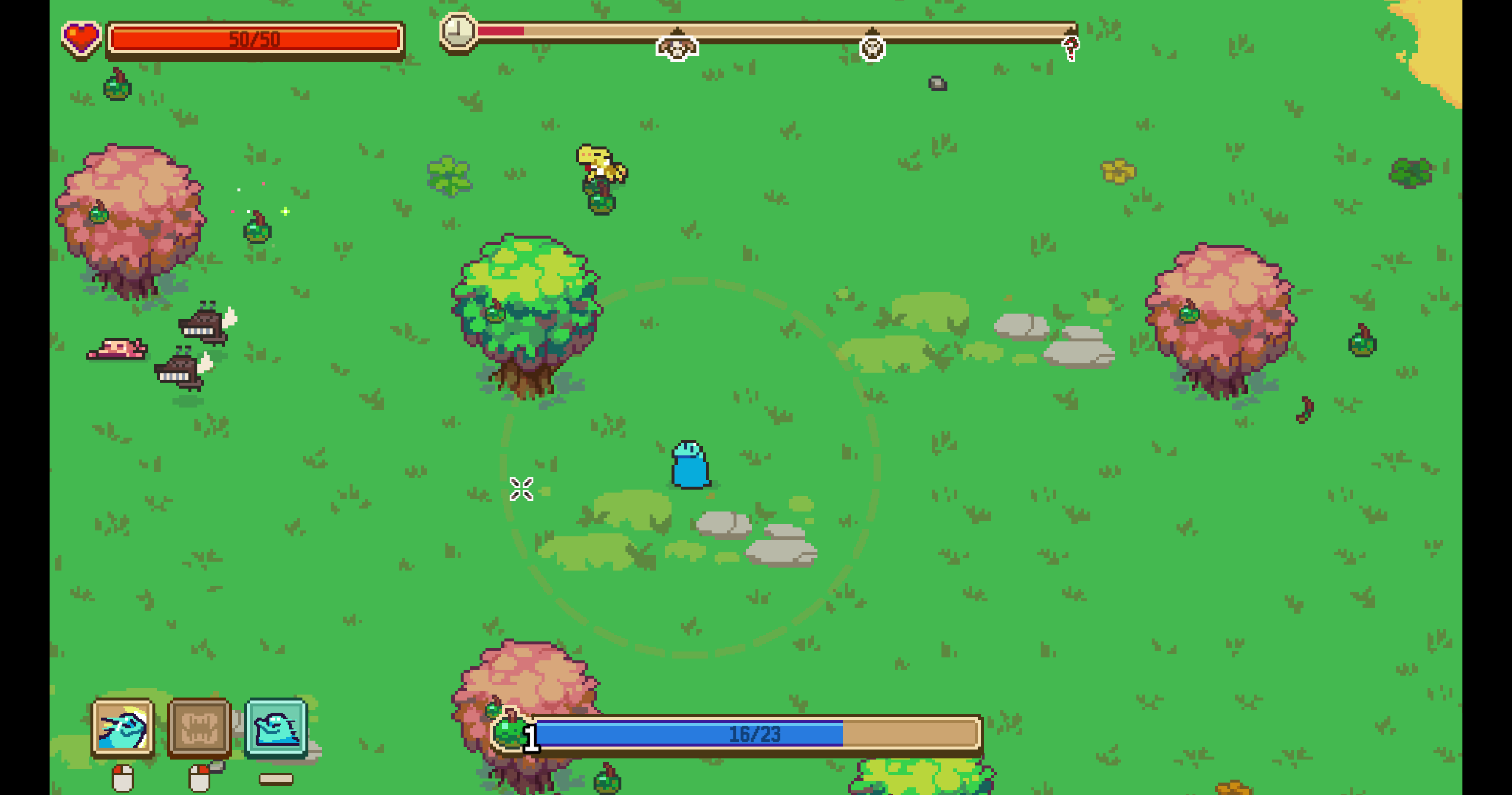
Grass biome gameplay preview
Grass
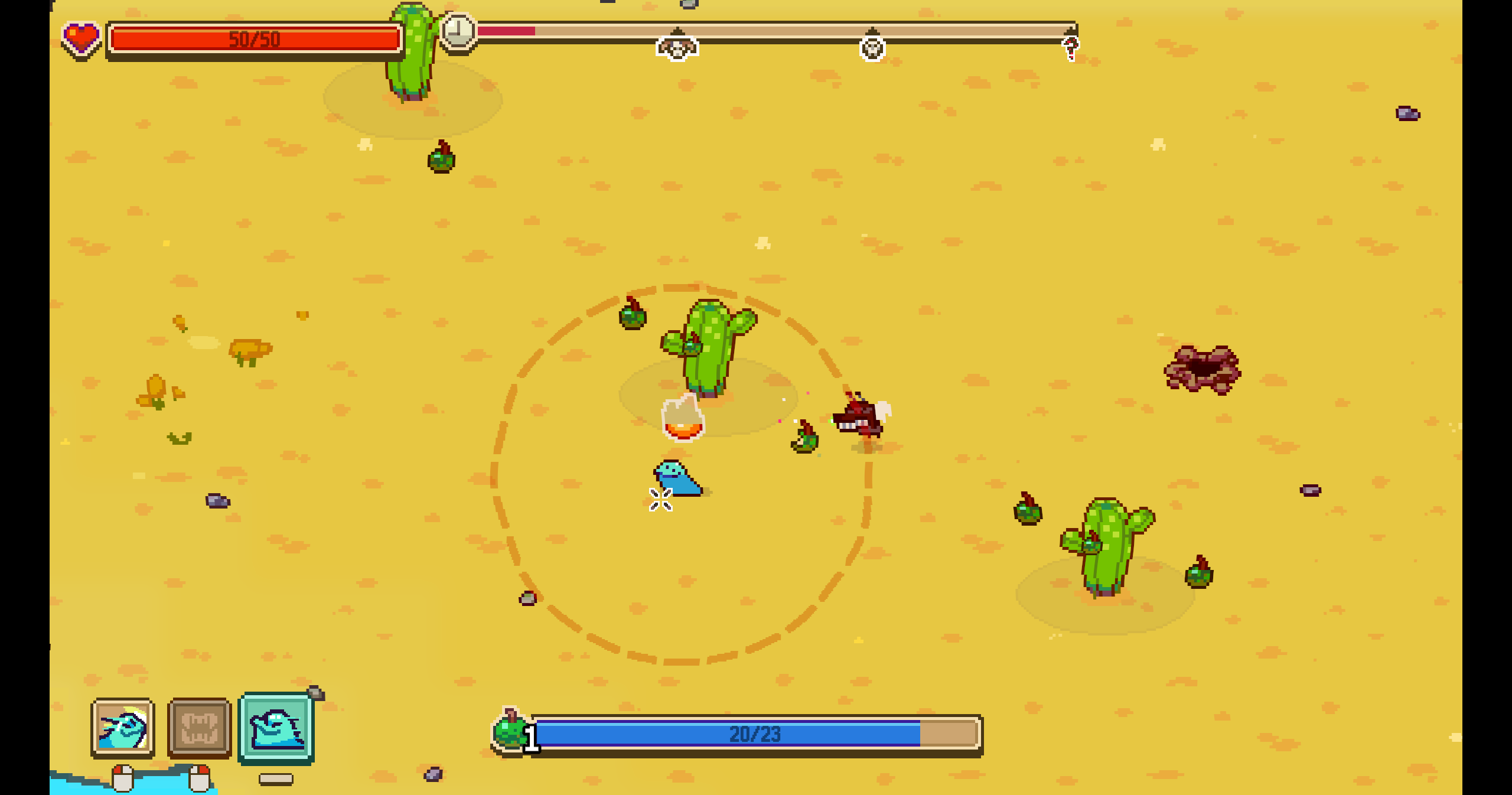
Sand biome gameplay preview
Sand
Snow biome gameplay preview
Snow
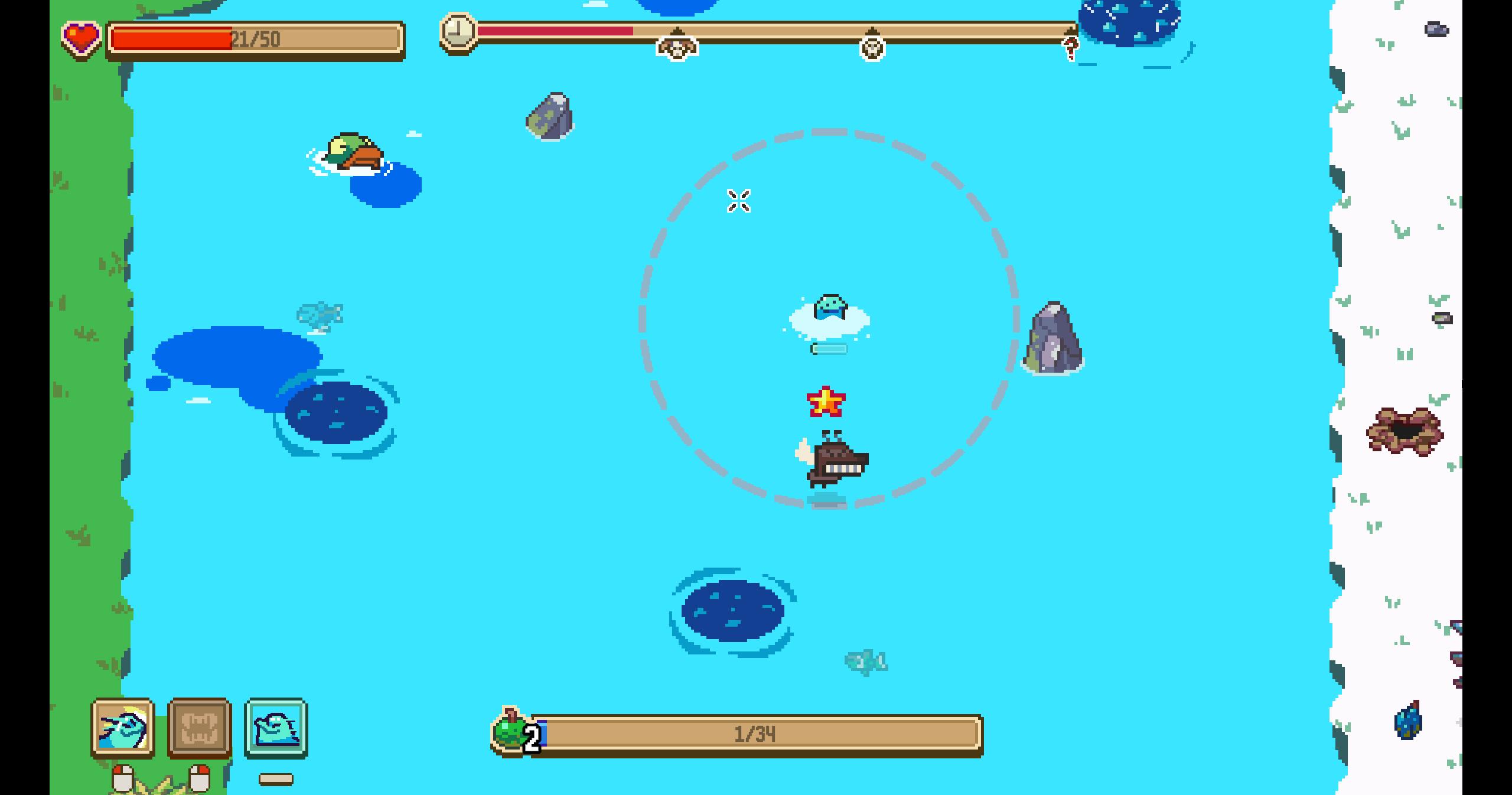
Water biome gameplay preview
Water

Biome Field Guide

These are the player-facing differences that matter most once a run starts pushing you out of your comfort zone.

Grass

Grass

Rain

Grass is the default-feeling land biome: open enough to move through, green enough to read quickly, and tied to rain rather than raw damage spikes.

What players feel here

  • Rain is the main climate event here, so the pressure is more about getting soaked and staying stable than brute-force heat or cold.
  • This is the most readable biome in the game and the closest thing to a safe reference point when a run starts.
  • Tree cover and nest-like space make it the most natural biome for straightforward land movement and early route building.

Representative creatures

HatBirb
HatBirb Nest defender that fits the safer grass-side feel.
Beeware
Beeware Aggressive predator that turns open grass lanes into poison pressure.
Pantther
Pantther Fast land hunter with a clear dislike for water.
Spiderfrog
Spiderfrog Camouflage ambusher that reads like classic green-biome trouble.

Sand

Sand

Heatwave

Sand is the desert biome. It asks the clearest question of any biome in the game: can your build handle heat and still keep control?

What players feel here

  • Heatwave is the defining climate event, so heat protection stops being optional much faster here.
  • Mirage behavior makes the biome harder to read cleanly than a normal open field, which adds confusion on top of damage pressure.
  • This is the biome most likely to punish weak traversal or panic movement, especially when charge and burrow threats join the heat.

Representative creatures

Sandshark
Sandshark The clearest desert-native enemy in the guide.
Crabtaur
Crabtaur A charging bruiser that feels extra dangerous in open sand.
Pilferret
Pilferret A fast scavenger that compounds the biome by stealing food and tempo.
Spineapple
Spineapple A nasty mimic that fits the dry-biome habit of hiding threats in plain sight.

Snow

Snow

Blizzard

Snow is the cold biome. It feels heavier than Grass because the storm itself is part of the threat, not just a visual filter.

What players feel here

  • Blizzard is the main climate event, and cold buildup can escalate into full freezing pressure.
  • Cold adaptation matters more here than in any other biome, so fur and similar defensive answers become much more valuable.
  • Snowstorms feel layered and disruptive, which makes the whole region play slower and more cramped even before enemies pile in.

Representative creatures

SnowHare
SnowHare The cleanest snow-coded normal enemy in the roster.
Crabbybara
Crabbybara Its in-game description directly references surviving strong blizzards.
Shellephant
Shellephant A bulky boss that suits the biome's heavy, momentum-based pressure.

Water

Water

Movement pressure

Water is the sea biome. It is less about a single meter event and more about how badly movement can fall apart once water gets involved.

What players feel here

  • Water space changes traversal first, which is why dodging and repositioning can feel much worse here than on normal land.
  • Bosses become more annoying when the arena or pathing pushes you into water, because movement mistakes are harder to fix.
  • Traversal tools such as wings and other mobility-focused evolutions become more valuable whenever a run leans into sea space.

Representative creatures

BlobFish
BlobFish A clear early water-linked creature line.
Spitfish
Spitfish Its in-game description explicitly says it cannot leave the water.
Aquaconda
Aquaconda A major sea-side boss built around waves, leaps, and territorial pressure.

This is a field guide, not a full spawn spreadsheet. The creature lists focus on the strongest biome matches and the clearest player-facing habitat clues.

Biome FAQ

A few quick answers for the questions players are most likely to have after reading the field guide.

How should I use this page during a run?

Use it as a quick read on environment pressure. First identify which biome you are entering, then check what that biome is most likely to punish: wetness, heat, freezing, or awkward movement.

Why is Water described differently from Grass, Sand, and Snow?

Because Water stands out more as a movement and pathing biome than a clean climate-meter biome. It changes how fights feel, especially when dodging space gets worse.

Are these the full creature lists for each biome?

No. These are representative creature groups based on the strongest biome clues, not a complete spawn table for every run or region state.

Top