Release Date
May 8, 2026
The official Steam store page lists May 8, 2026 as the release date.

Everything is Crab Wiki
Start with the facts, move into the right guide, and use one homepage to reach the best builds, evolutions, genetics, achievements, biomes, POIs, and bestiary notes.
Overview
This homepage starts by answering the game-level questions clearly, then hands you off to the right deeper page.
Release Date
The official Steam store page lists May 8, 2026 as the release date.
Platform
The official public storefronts currently listed are Steam and Epic Games Store on PC.
Evolution Pool
The store framing emphasizes a huge evolution pool that changes how each run develops.
Everything is Crab is an action roguelite built around shaping a creature through feeding, fighting, scavenging, and mutation. Instead of locking you into one fantasy class, it asks you to adapt your body plan as the run becomes more dangerous.
The official Steam and Epic store pages identify Odd Dreams Digital as the developer and Secret Mode as the publisher. The game launched on May 8, 2026 and is currently positioned as a PC-first release.
The hook is not just the joke that everything becomes crab-like. The real appeal is that 125-plus evolutions, multiple biome pressures, genetics, bosses, and meta progression combine into runs that can look and play very differently from one attempt to the next.
Start Here
If you are still checking platform availability, buying details, PC specs, or key terms, read these explainers before diving into route-heavy pages.
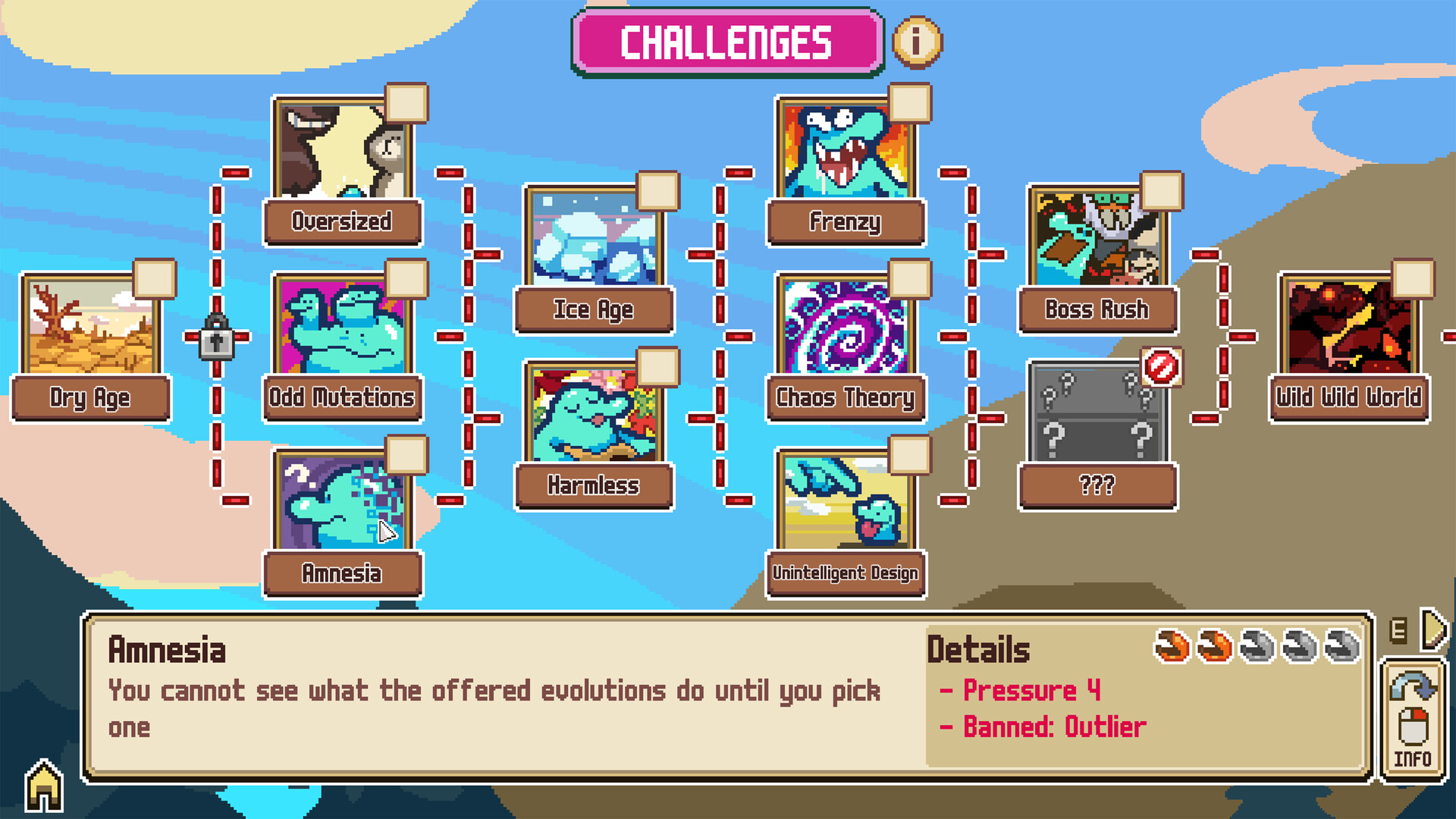
Check the Everything is Crab mobile status, including whether the game is on Android, iOS, Steam Deck, Switch, PS5, or Xbox.
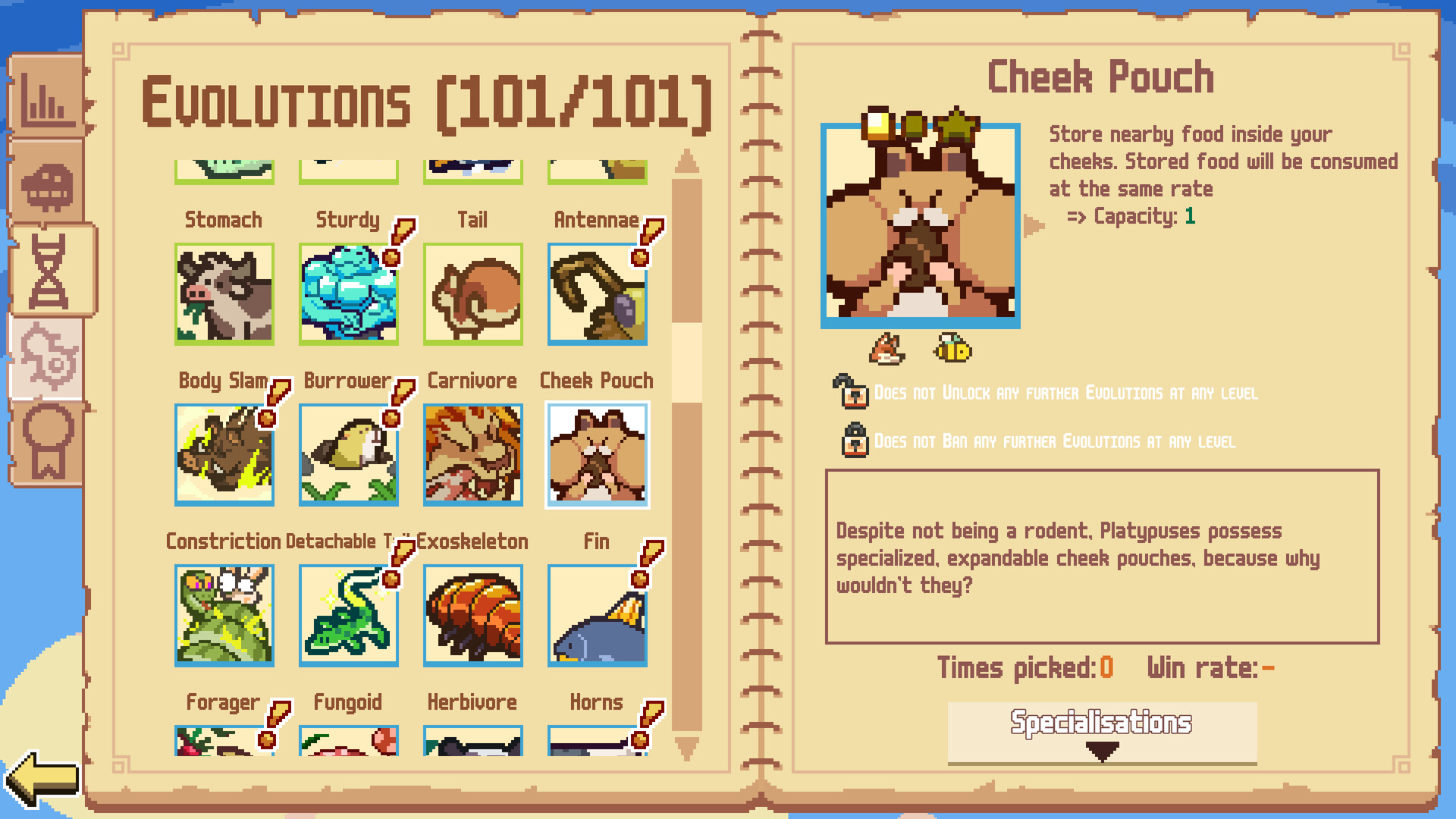
Find the Everything is Crab release date, launch price, official Steam and Epic store links, and the safest download options.
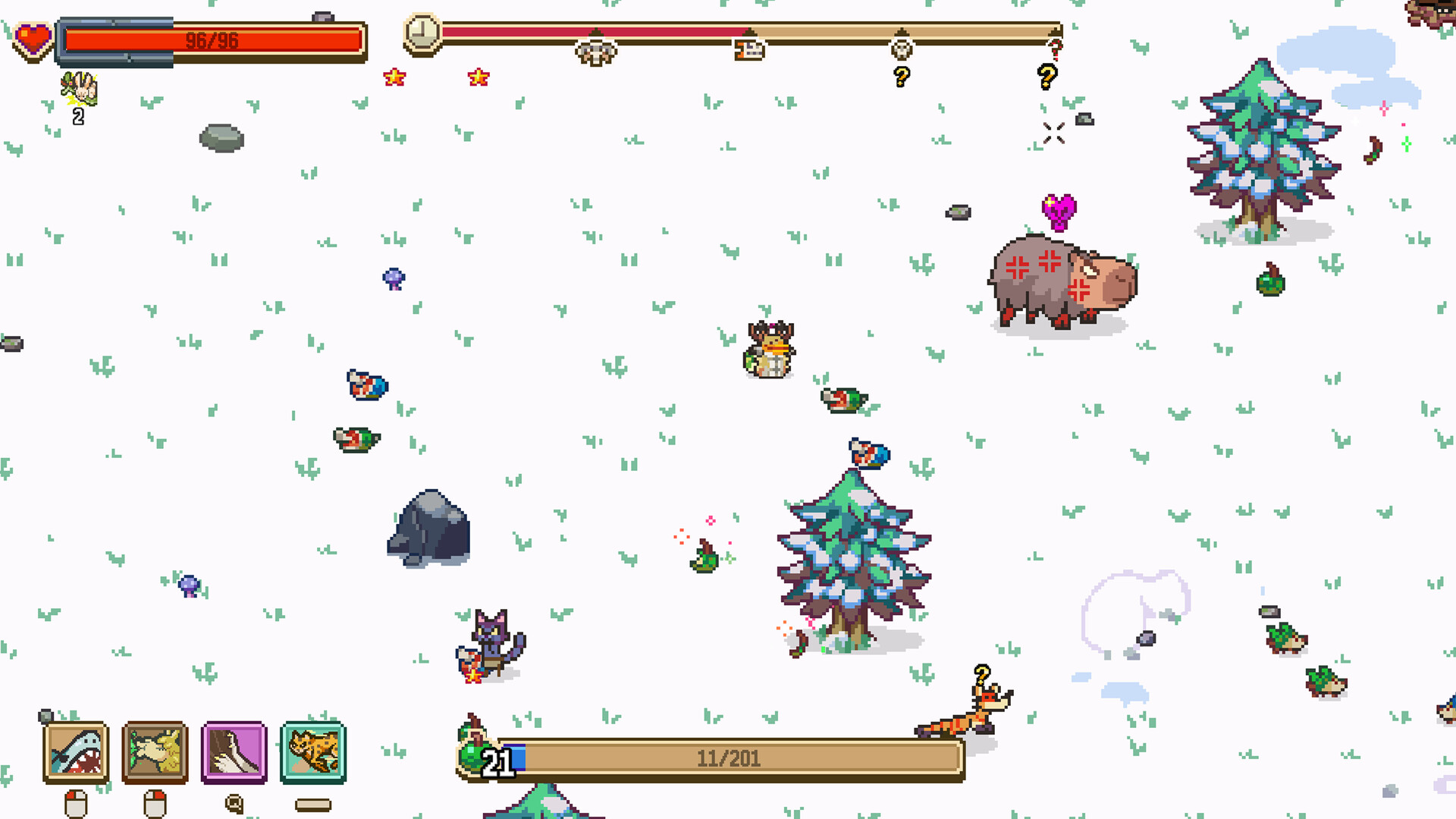
A short fact-check article covering the official Steam system requirements for Everything is Crab and what they mean for most PC players.
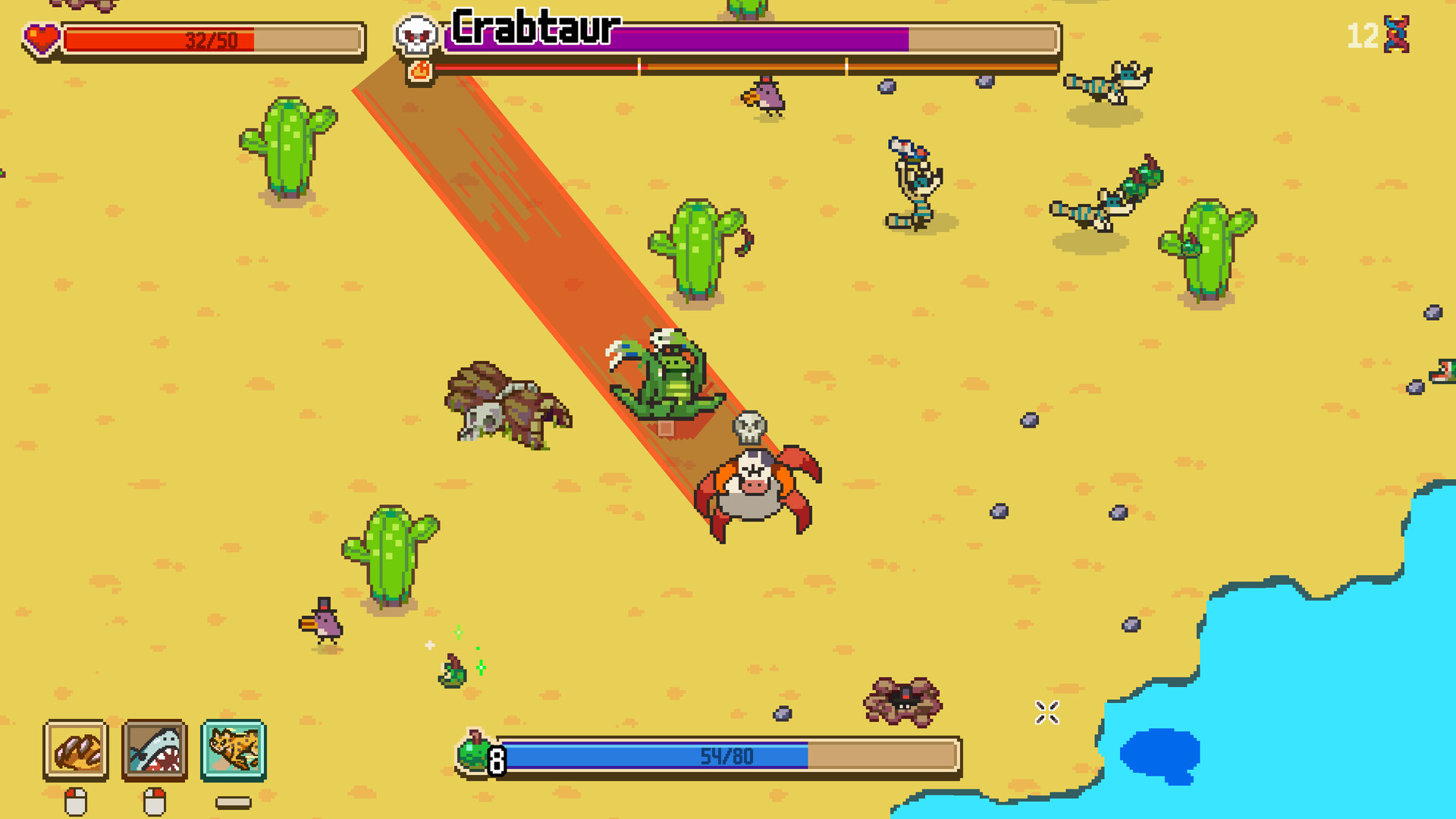
Plain-language definitions for Darwin, Evolutions, Genetics, POIs, Biomes, Affinity, Mutagen Points, Boss Fruit, Codex, and Pressure.
Evolutions
The full list is large. What matters on the homepage is learning which entries actually change your route and why.
What Evolutions Change in a Run
Evolutions decide whether your build leans into bulk, mobility, poison, sustain, or a cleaner offensive identity.
Quick Picks to Learn First
These links are a better starting point than staring at the full table without context.
A foundational survival-oriented pick that supports sturdier openings, clearer damage intake management, and safer transitions into harder checks.
A defensive anchor for runs that feel too fragile.
A high-impact evolution anchor for routes that want bulk to become offense instead of just passive safety.
A route-defining payoff for health and body size.
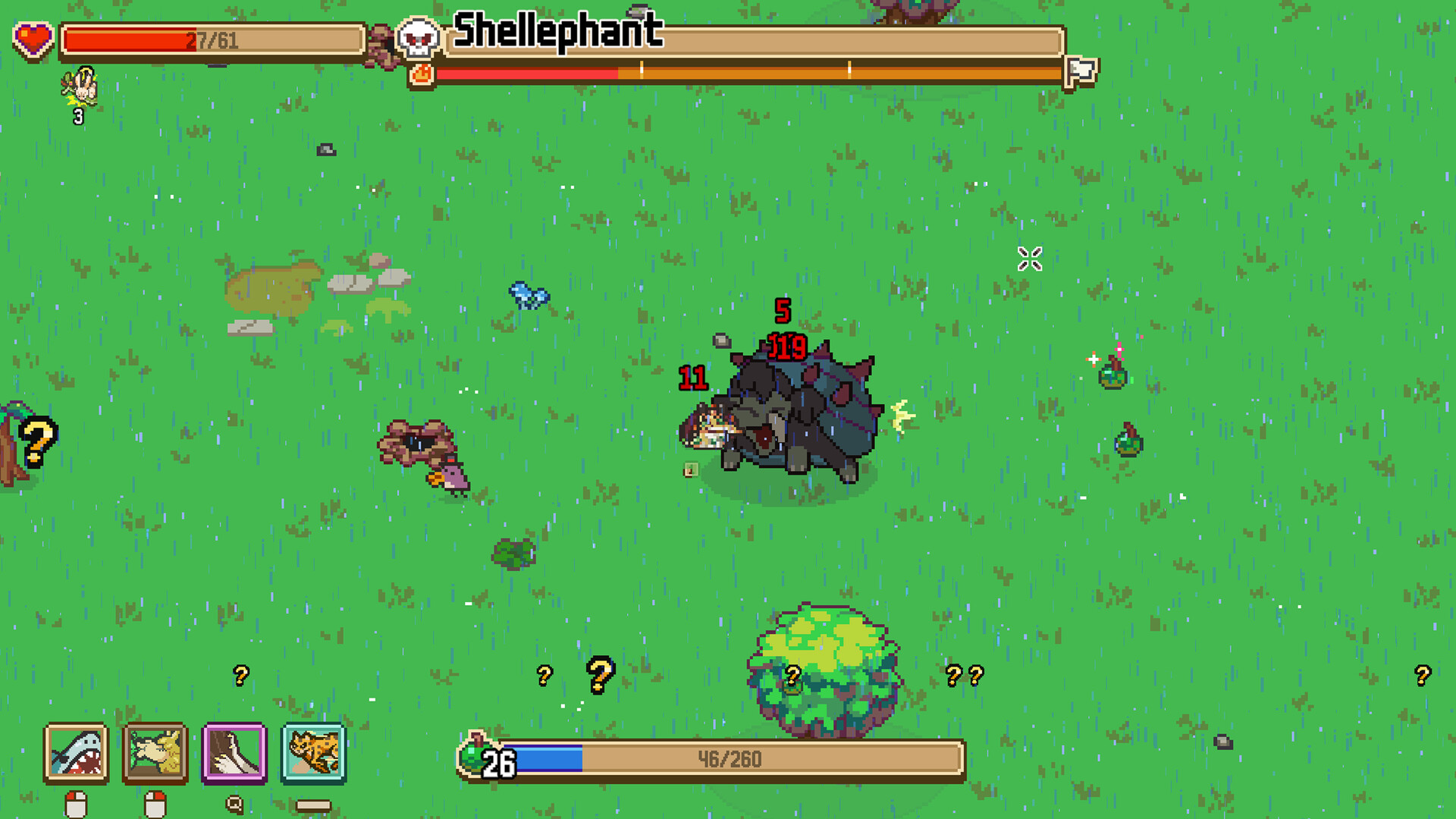
A route-defining pick for poison-forward or trickier ability patterns that need identity beyond generic damage.
A cleaner identity pick for poison and trickier ability plans.
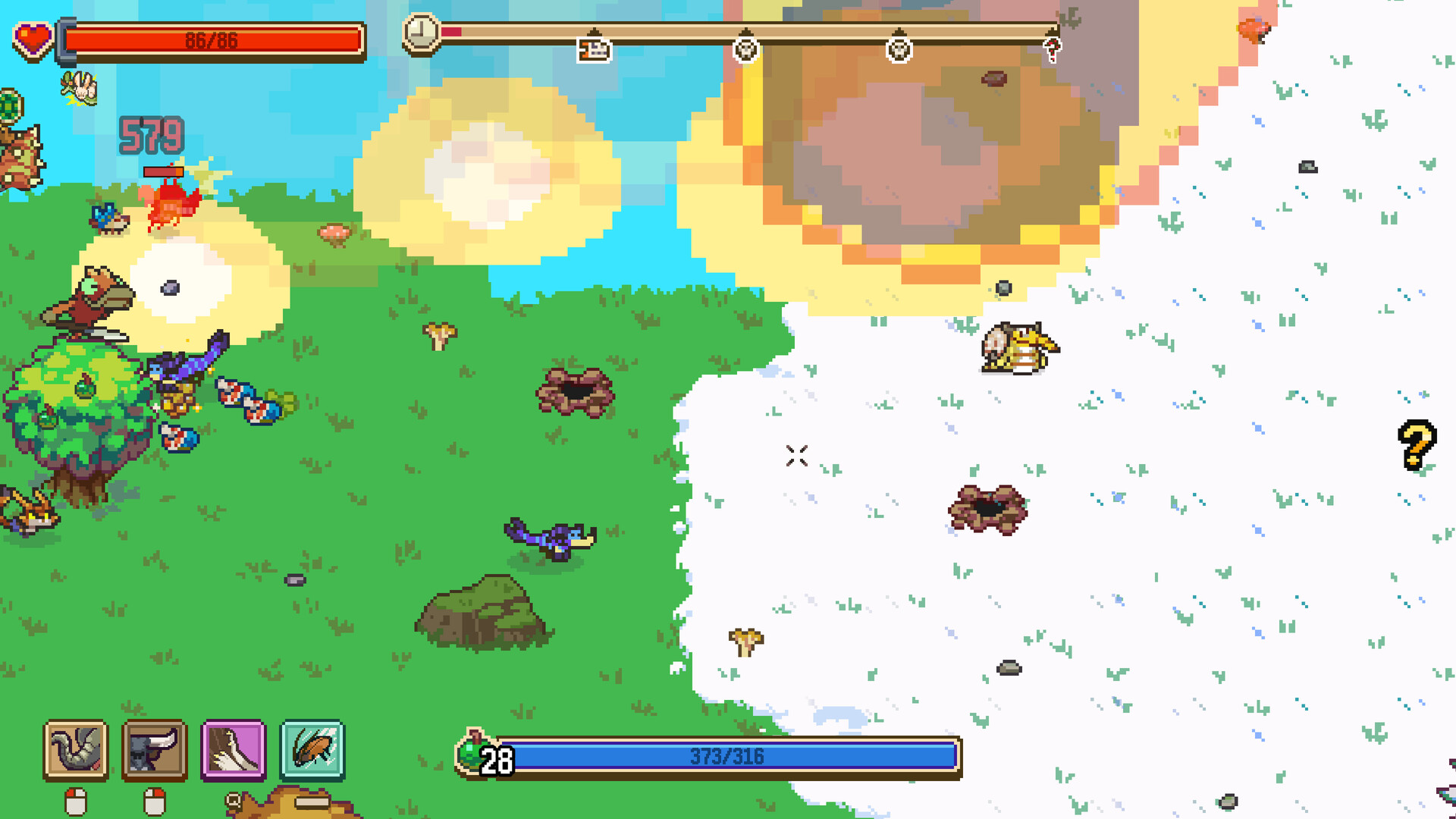
A survival-value pick often associated with safer scaling lines and better tolerance for awkward openings.
A safety-first option for calmer scaling and rough openings.
Genetics
Genetics decide what your opener feels like, so this is the fastest place to understand why some first runs stabilize and others wobble immediately.
Genetics That Shape Your Opening
These picks affect your first few minutes before a build has enough time to cover your mistakes.
Strong Starting Traits to Read First
Read these four entries first if you want to understand safety, map access, reroll value, and calmer early scaling.
Clean opener
Standard
Best if you want a clean opener with no trick condition attached.
Map access
Pioneer
Best if you value faster map access and more POI opportunities early.
Reroll control
Picky
Best if your first few runs improve a lot when rerolls become cheaper.
Calm scaling
Vegan
Best if you want a calmer scaling route that starts with a clear identity.
Achievements
This part of the wiki separates the public Steam layer from the broader in-game unlock structure, so players can tell what they are actually tracking.
Use the Steam layer when you want the public platform list, unlock-rate context, and the cleanest overview of visible milestones.


















Use the in-game layer when you want the wider achievement and Codex structure beyond the public Steam list.























Biomes
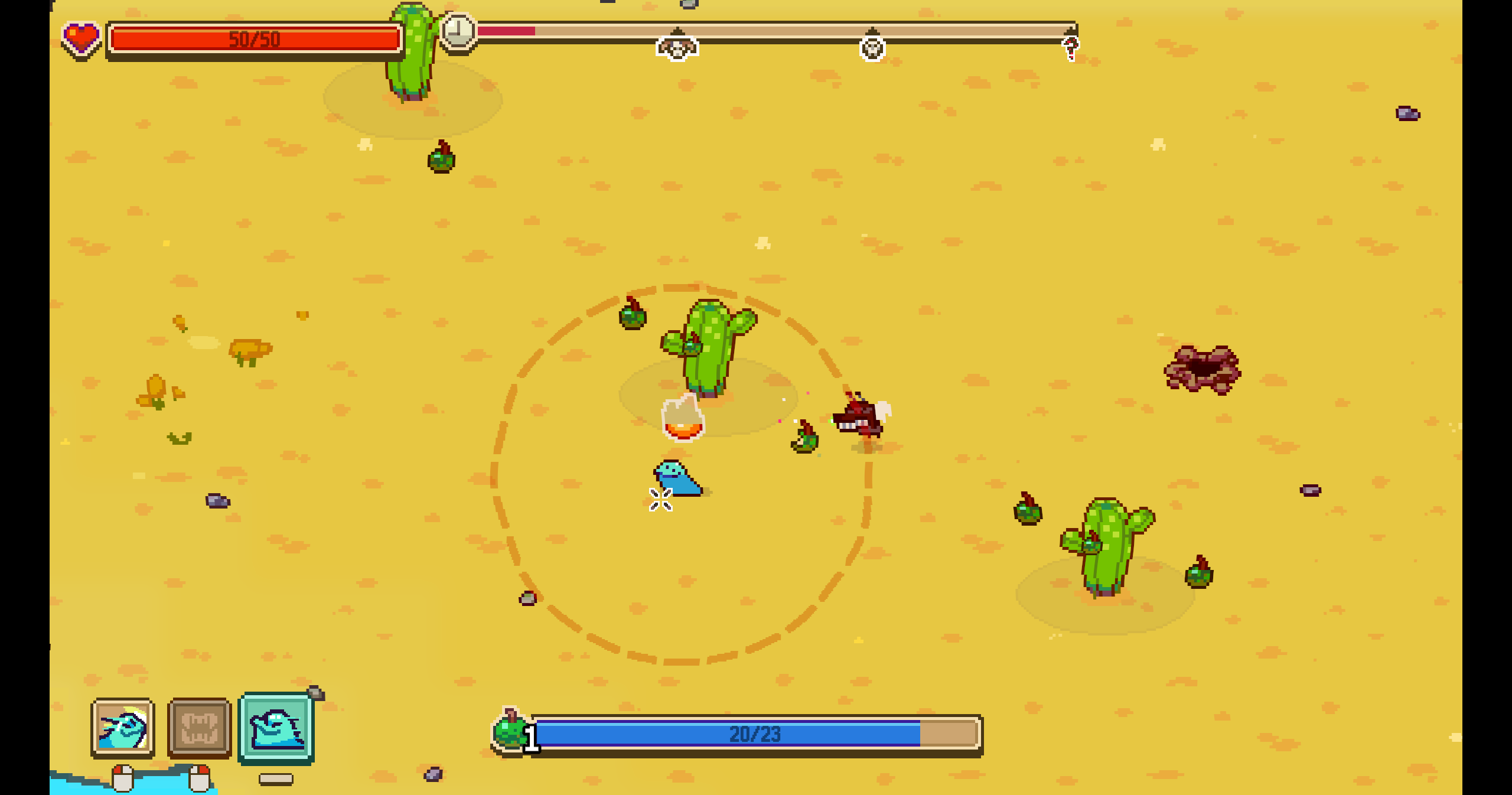
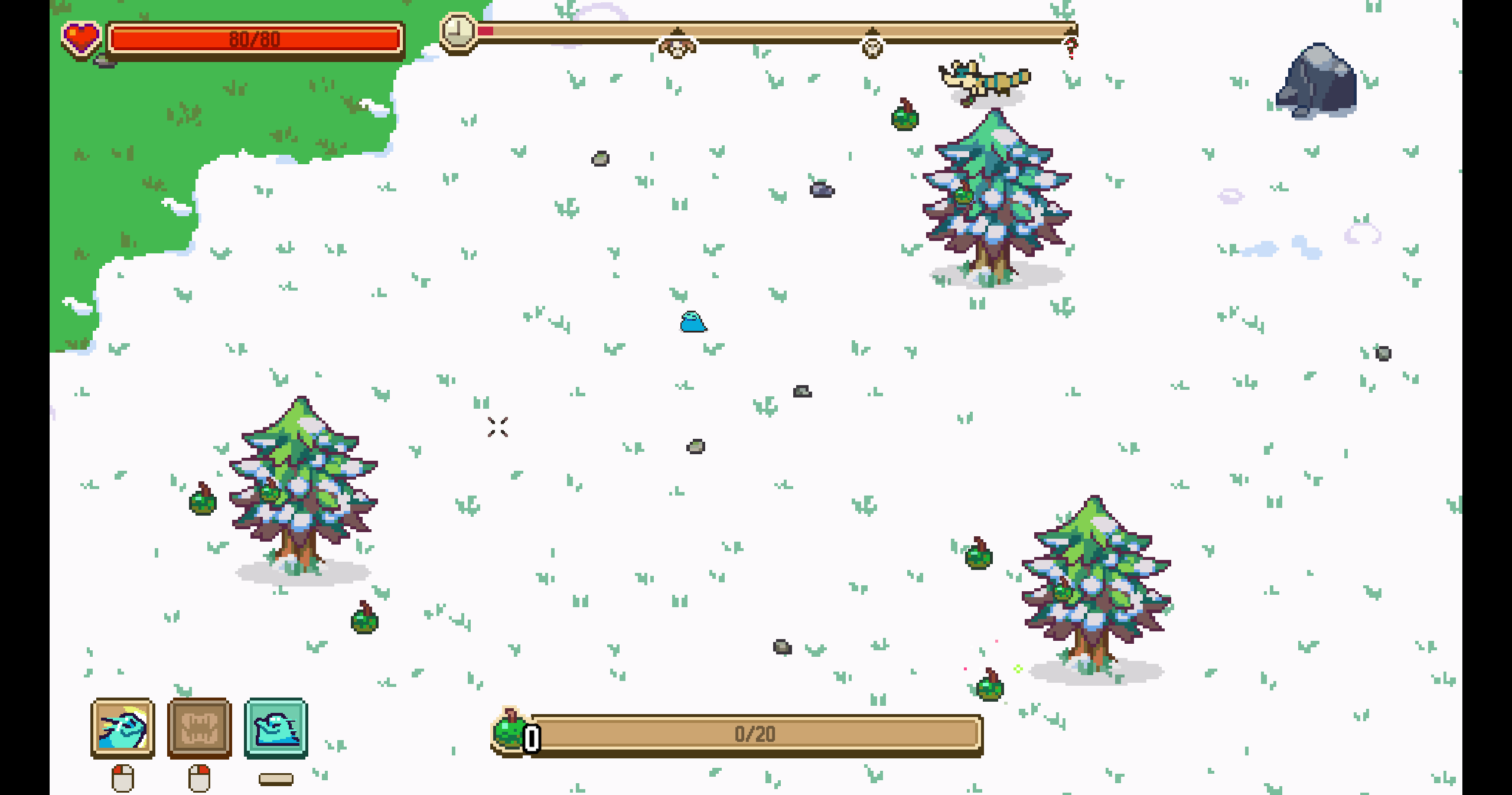
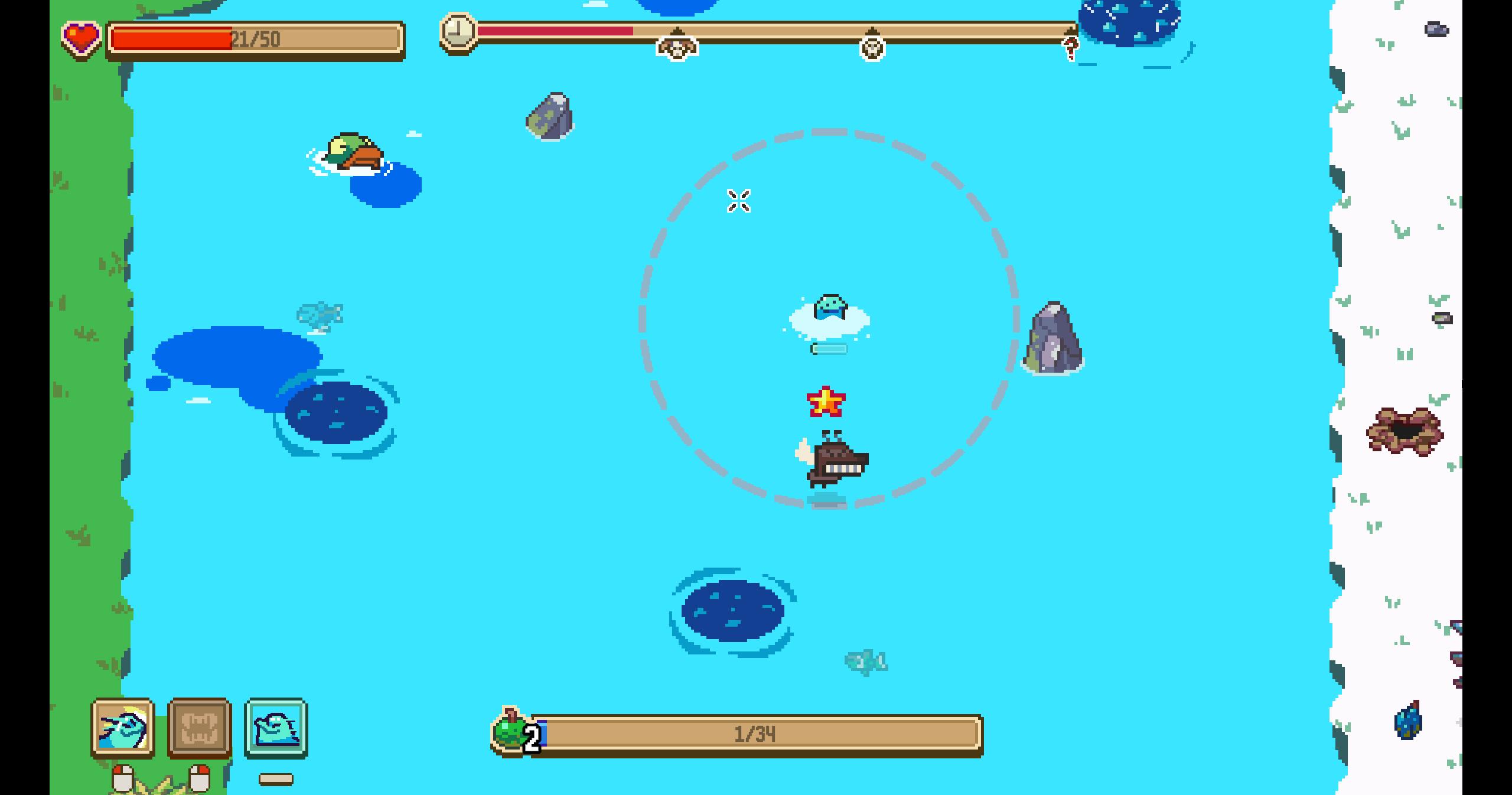
Biomes are not just scenery. They are pressure filters that start exposing weak routes as soon as the environment stops being forgiving.
Grass, Sand, Snow, and Water all ask different questions of your build, even before bosses pile more pressure on top.
The fastest way to use the biome guide is to match your current weakness to the kind of pressure the zone amplifies.
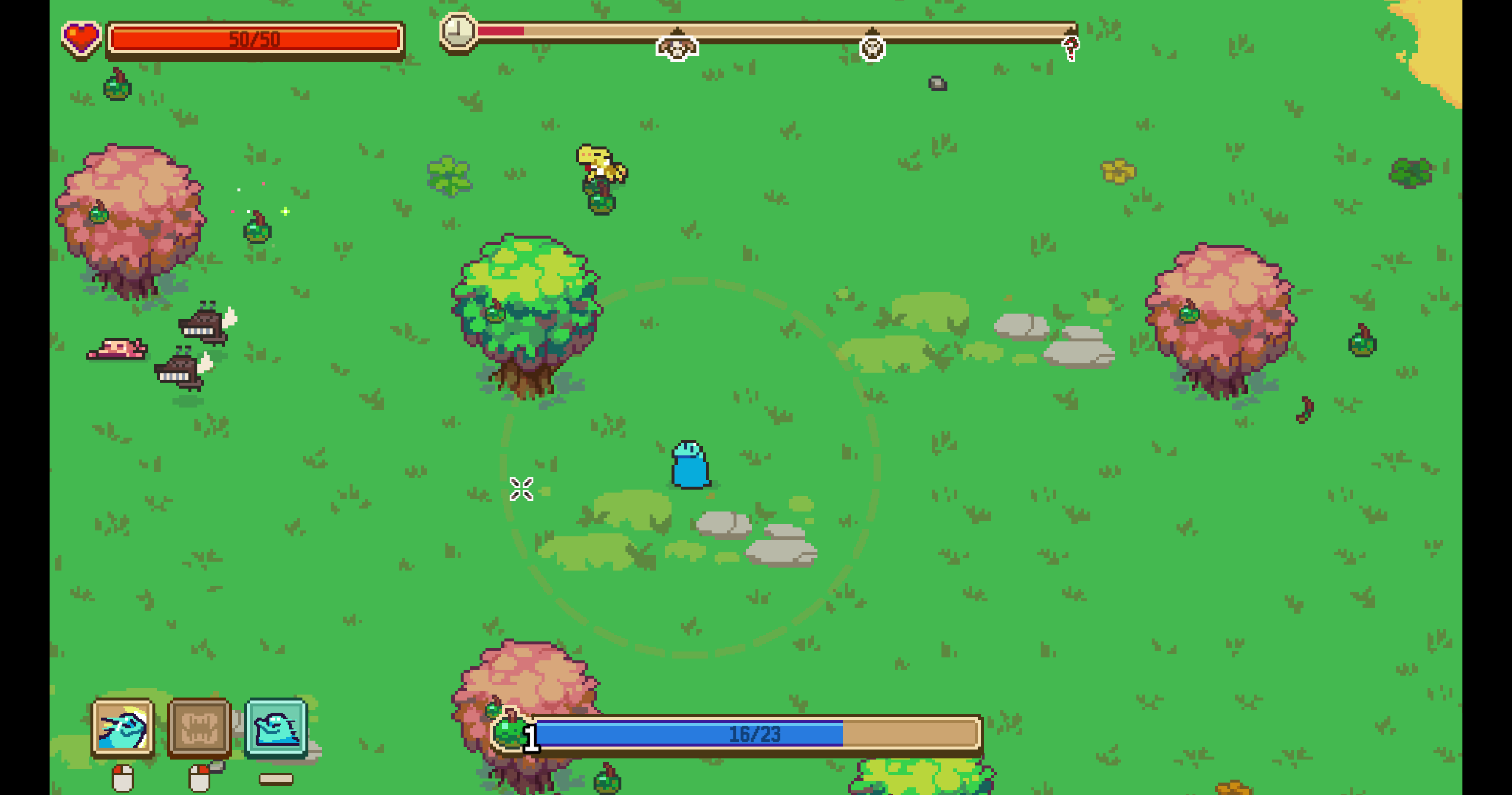
Pressure: Rain and general baseline stability.
Punishes: Punishes weak fundamentals more than exotic build flaws.
Pressure: Heatwave and harsher direct pressure.
Punishes: Punishes greed, panic movement, and fragile aggression.
Pressure: Blizzard and freezing pressure.
Punishes: Punishes brittle builds that look good on paper but lack sustain.
Pressure: Movement trouble and awkward traversal.
Punishes: Punishes routes that need clean dodging space but cannot recover when pathing gets messy.
POIs
POIs become easier to read when you stop treating them like flavor buttons and start treating them like run-shaping forks.
How to Read POI Choices
Some POIs are clean stat forks, while others are really timing checks, recovery stops, or system-changing events.
POIs That Can Stabilize a Run
The clusters below are the fastest way to understand what kind of value you are really being offered.
Algae Reef, Carved Tree, Chaos Tree, Growing Tree, and Lotus Plant mostly change how fast you scale or which stat direction you lean into. They are the easiest POIs to read at a glance, but some still hide mode-specific or condition-specific details.
Healing Pond, Mud Pond, and Oasis focus on keeping a run alive. The difference is that Healing Pond is light sustain, Oasis is the stronger recovery version, and Mud Pond mixes defense with utility and adaptation.
Calendar Stone and Giant Mushroom are less about immediate raw stats and more about changing systems around you. They influence day-night pacing or mushroom-side mechanics instead of just adding one more number.
Unattended Nest and Frozen Specimen feel more event-driven than the rest. They touch boss spawns, charmed allies, random ally outcomes, and variable rewards, so they deserve more explanation than a flat table row.
Bestiary
Use the bestiary guide in three ways: normal enemies, bosses, and final-boss prep.
FAQ
These are the homepage-level questions most users need answered before they decide which detailed section to open next.
It is a roguelite about evolving a creature through feeding, combat, scavenging, and mutation while adapting to changing environmental pressure.
If you still need platform, price, PC requirements, or key-term context, start with the Start Here explainers. If you already own the game, go straight to Builds or Genetics.
The Builds page is the main route hub for first clears, safer scaling paths, body-slam routes, and more committed offensive plans.
The Evolutions page is the full table and calculator-style reference for the current evolution pool.
Genetics shape your opener before the run even starts, which changes your early stability, your tolerance for pressure, and which routes feel realistic.
Yes. The site includes dedicated pages for achievements, biomes, POIs, and a bestiary that separates normal enemies, bosses, and final-boss notes.